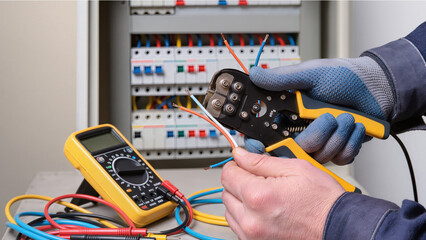
Electrical wiring is the backbone of daily life. Proper wiring ensures that your home or business has the power it needs while maintaining safety and efficiency.
Upgrading your wiring will improve energy efficiency, lower your utility bills, and align with sustainability practices. A modern electrical system also adds value to your property. Visit https://www.nashelectricnc.com/ to learn more.
Safety
Electricity is a powerful force that requires respect and care. Following safety measures when dealing with electrical wiring helps to lower the risk of fires, injury and other problems. These measures include working on dead wires, testing devices before using them, locking down system components and keeping a fire extinguisher nearby in case of emergency. Taking these precautions not only protects employees but also prevents costly damage to equipment and buildings.
Safety measures for electrical wiring often vary from region to region, but most countries have some standards in place that all workers should follow. These codes regulate things like the maximum current that a wire can safely carry, its voltage (to neutral) rating and its maximum conductor surface temperature. In addition, the types of wires used for different applications must comply with certain standards. For example, nonmetallic (NM) cable, which is often referred to as Romex, is the most common type of wire for residential uses. Other options include armored cable, which consists of insulated conductors wrapped in a plastic sheath, and electrical conduit, which refers to rigid metal tubing that provides protection from physical damage.
Besides following safety rules, it’s important to use the right materials for a job and keep them properly installed. This is especially true in areas where water might be present, as electricity and water don’t mix well. Installing GFCI outlets in kitchens and bathrooms, for example, lowers the chance of injuries and property damage caused by faulty outlets that aren’t protected from moisture. It’s also important to make sure that electrical wiring doesn’t extend beyond junction boxes, which are meant to contain the connections and prevent overheating.
Other electrical safety tips for the home include ensuring that appliances are grounded, installing surge protectors and making sure that power cords aren’t pulled by hand or chewed on by pets or kids. Finally, all outlets should be covered with protective covers and kept away from water sources to reduce the risk of electrocution. These safety measures also help to reduce energy costs by preventing unnecessary wear and tear on appliances.
Efficiency
Electrical wiring is designed to optimize the flow of electricity throughout a building. It minimizes energy loss by reducing resistance and heat production during transmission. This reduces electricity costs and bolsters a home’s overall system efficiency. Energy efficient wiring also helps in the fight against climate change by lowering demand on local power plants and contributing to sustainable living practices.
A home’s electrical system requires proper maintenance to keep it running efficiently. The best way to accomplish this is by scheduling annual inspections with licensed electricians. These professionals can detect any problems that may require immediate attention. They can also offer recommendations for future upgrades or repairs that can improve the system’s lifespan.
The type of electrical wiring that a building uses depends on several factors, such as its location and size. For example, a large warehouse or manufacturing plant would need a different type of electrical wiring than a small retail store or private home. In addition, the size and layout of a building’s rooms may also influence the wiring type.
For residential homes, the most common type of electrical wiring is non-metallic (NM) cable. This is a flexible cable that contains two or more insulated wires with a grounding wire. It is typically used for circuits, feeders, and switch legs. NM cable is available in a variety of sizes to accommodate various current loads. It is also rated for different locations, including unfinished basements and outdoor applications.
Another popular type of electrical wiring is surface conduit. This is a cost-effective solution that can be installed in existing walls or ceilings. This method of wiring is typically used for new construction and renovation projects. It provides flexibility for future expansions and upgrades, and it offers a high level of durability against physical damage.
In addition to ensuring safety, understanding the electrical wiring in a home or facility is vital for employees who perform regular maintenance tasks. This knowledge can help them better understand and safely operate equipment in their workplace. For example, employees who know that electrical wires with a white tint are neutral and black wires are hot can avoid accidentally damaging their workplace’s electrical infrastructure by not plugging in appliances or devices to the wrong voltage outlets.
Convenience
Electrical wiring carries power to switches, outlets, lights, and appliances. It can be found in residential and commercial buildings, hospitals, restaurants, and many other structures. The way in which a building’s electrical wiring is structured is vital to the health and safety of those who live or work within it. A poorly installed or maintained electrical system can create serious hazards that can lead to fires, injuries, and even death.
For this reason, all electrical wiring systems must be designed to ensure that the electricity they carry can be safely distributed. The type of wire used for a particular application will determine its voltage and amperage rating, which is the maximum amount of current that it can safely carry. For example, the wires used to supply power to light fixtures need to be smaller in diameter than those that connect to high-wattage appliances.
In addition, the materials used for electrical wiring must be able to withstand environmental conditions and resist damage from physical impact. The earliest standardized method of conducting electricity in homes was known as knob and tube (K&T) wiring, which relied on ceramic tubes to form protective channels through lumber joists and wooden wall framing. This approach allowed for the use of thinner conductors than would be feasible in cables because air was able to circulate between the wires and the sheath.
More recent methods of electrical wiring include insulating wires in a sheath, such as the non-metallic sheathed cable (also known as Romex) and armored cable. The former consists of insulated wires that are wrapped in a plastic sheath that is usually white or black and a bare copper grounding wire, while the latter uses a metal sheath to protect the insulated conductors and can be found in exposed locations or areas that are prone to physical damage.
Using energy-efficient wiring in your home is a simple way to reduce your electrical bills and help the environment. It also increases the value of your home, as prospective buyers are more likely to pay a higher price for a house with the latest energy-saving features. In addition, you can reduce your energy costs by avoiding the common mistakes that can cause electrical problems such as overloading circuits and overusing extension cords.
Sustainability
Electricians can contribute to the sustainability of their clients’ homes by installing energy efficient wiring. This type of wiring optimizes the flow of electricity, allowing homeowners to use more appliances and devices without increasing their energy consumption. Energy efficiency also lowers carbon emissions, making it a crucial step in the fight against climate change. Upgrading to this type of wiring helps reduce demand on power plants, which in turn reduces reliance on fossil fuels. As such, every household that makes the switch contributes to a global effort to protect our environment.
Aside from energy efficient wiring, other sustainability measures include incorporating renewable energy and smart home technologies. These upgrades will allow households to make greater use of natural lighting and ventilation, reducing the need for artificial lighting and air conditioning. They also enable homeowners to operate appliances during off-peak hours, when prices are lower. As a result, savvy homeowners can significantly lower their energy costs by switching to energy efficient wiring and other sustainable practices.
As the world struggles with the effects of pollution and climate change, many industries are stepping up their efforts to combat these issues. The electronics industry is one of the leading industries in this regard, with numerous companies promoting greener initiatives and implementing more environmentally friendly production processes. These efforts also extend to the way they manage waste and recycling. Many electrical components contain toxic materials, which need to be properly disposed of in order to prevent harmful chemicals from entering the environment. By educating their clients on how to dispose of old wiring and other equipment, electricians can help ensure that this material doesn’t end up in landfills or waterways.
Beyond ensuring that environmental initiatives are taken, electricians can encourage their clients to recycle as much as possible. This may involve partnering with local recycling programs or donating materials to charity. In addition, they can encourage their clients to buy energy-efficient appliances, LED lighting, and other eco-friendly devices that will help them save even more money in the long run. By embracing sustainability, electricians can ensure that their clients’ houses are well equipped for the future of technology and energy needs.