When your existing deck is beyond repair or it’s time to plan your dream deck, hiring a professional gives you peace of mind and saves you from costly mistakes. This article highlights how to evaluate and choose the right contractor for your backyard project.
Evaluate contractors based on experience, credentials, style, and value. Look for manufacturers’ certification tools and directories, state licensing databases, and insurance certificates verified directly with insurers. Go to https://jrcsi.com/ for more information.
Ask for Referrals
A reputable deck builder should have a strong portfolio to back up their skills and expertise. Ask potential builders for references from past clients and request photos of their completed projects. You may also want to check their licensing and insurance to ensure they are qualified and reliable.
A quality deck requires expert craftsmanship and careful planning. Choose a builder who can walk you through composite material selection, project design, and deck building codes to create an outdoor space that exceeds your expectations.
Hiring a professional to build a backyard deck can save you time and money in the long run. They can help you avoid costly mistakes and provide peace of mind throughout the construction process. With their guidance, you can enjoy your new deck days, weeks, or even months sooner than a DIY approach.
When you’re interviewing potential builders, be sure to discuss your goals and priorities for the deck. A good contractor will take the time to listen and answer your questions thoroughly. Then, they’ll collaborate with you to turn your vision into a reality.
Whether you’re looking for a durable, low-maintenance deck or a classic wood structure, there’s a deck material to suit your preferences and budget. A reputable builder should be familiar with a wide range of materials and know how each one functions in different climates.
A well-established professional website and active social media channels can attract local homeowners searching for a deck builder. Distribute professionally-designed flyers in your target neighborhood and place branded signage on job sites with permission from your clients. Follow up with new clients via automated review requests and reminders to encourage referrals. A finely tuned referral program with incentives like gift cards or money back can go a long way toward expanding your client base.
Check Licenses and Insurance
Aside from referrals, online reviews, and references, it’s also important to check a builder’s licensing and insurance before hiring them. This step is critical to protecting yourself against fraudulent contractors and ensuring your new deck meets local building codes. Ideally, a licensed builder will be able to provide you with a Certificate of Insurance (COI) that details the scope and dates of their coverage. You can verify a contractor’s license information through state databases and public business registries. Make sure the license details match their business name and address to avoid misrepresentation.
Another aspect to consider when choosing a deck builder is their level of experience and expertise. A reputable builder will have extensive knowledge about different materials and construction techniques. For example, they should be able to explain the difference between composite and traditional decking, and why certain types of wood behave differently during construction. They should also be able to answer questions about the cost of materials, construction timelines, and other important aspects of your project.
It’s also important to choose a builder that is easy to work with. Contractors who are difficult to communicate with or have a short temper can make the project more stressful. A reliable deck builder should be responsive to inquiries and prioritize clear communication throughout the project. They should also be able to provide you with an estimated timeline for the entire process, including design, permitting, and construction. Ask builders how they handle unforeseen challenges and what they plan to do to minimize delays. This will help you decide if they are the right fit for your backyard project.
Check Reviews and Ratings
Having the right contractor on your side can make all the difference in creating a beautiful deck that meets your budget and specifications. The most reliable builders are often those you can find through word of mouth, online reviews, and testimonials. Look for recommendations from friends and neighbors, as well as local lumberyards and decking materials suppliers. It’s in these businesses’ best interest to recommend quality contractors, as it helps their reputation and increases the likelihood that you will purchase additional materials for future projects.
Once you have a shortlist of potential deck builders, examine their website for online reviews and testimonials. Look for detailed descriptions of past project experiences and a clear breakdown of construction costs and schedules. Also note whether they require a deposit upfront and how the remainder will be paid throughout the project. Finally, ask each builder to provide a written estimate with specific material specifications and labor breakdowns.
Contractors with extensive experience building decks in your area understand local climate factors that influence material selection, construction timing, and weatherproofing requirements. In addition, they’re familiar with local zoning ordinances and homeowner association (HOA) rules that may impact the construction process.
A qualified contractor should be able to clearly explain the differences between traditional and composite boards, explain their installation approach, and detail what warranty coverage is offered on workmanship and materials. They should also be able to answer questions about permits, site preparation, and cleanup procedures.
A trustworthy deck builder will have a transparent payment schedule that includes an initial deposit, progress payments, and a final payment upon completion. They should also specify permit responsibilities, cleanup procedures, and change order procedures in the contract.
Look for Custom Design Services
Whether you prefer the natural beauty of wood or low-maintenance benefits of composite materials, a deck builder should be able to create a design that fits your lifestyle and home. They should offer design options to fit your budget and provide you with detailed pricing estimates that include labor and material costs.
Ask potential contractors to provide you with testimonials and galleries of their previous work. Pay attention to their craftsmanship and detail in these images, and note any differences in the projects’ scopes. A well-organized planning process is another good indicator of a qualified contractor. They should be able to handle permitting, scheduling, and other project milestones in a timely manner while also providing you with additional design suggestions and material options.
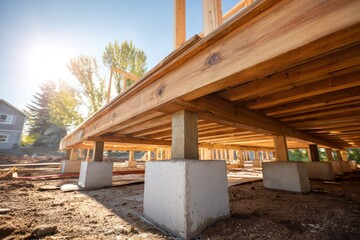
The right contractor will be familiar with local building codes and permit requirements, ensuring your deck meets local safety standards and is built properly. Their experience will help them avoid common construction mistakes, such as improper footings, that can lead to joist damage and structural issues. Some builders may also have advanced building techniques that elevate the quality of their work, such as helical pile foundations or joist protection tape. Look for these distinctions when choosing a builder, as they can make a big difference in the longevity and appearance of your new deck.
Professional installation of your deck ensures safety and code compliance while adding lasting value to your home. To select the best contractor, start by researching licensed local builders using directories and recommendations, then compare detailed estimates. Be wary of significantly lower bids, as they could indicate substandard materials or corner-cutting construction techniques that will cost you more in the long run.
Check the Materials
A backyard deck transforms a home, offering a space for relaxation and gatherings. A professional contractor can help you create a functional and beautiful outdoor space that will add lasting value to your property. However, it’s important to take the time to do your research and select a builder with the right experience and expertise to ensure that your project is a success.
Start by asking friends, family, and neighbors for referrals. Then explore online directories, local home improvement stores and other resources to gather a list of potential builders. Compare each builder by researching testimonials, galleries of work and other important details.
Once you’ve narrowed your list, ask each builder for a detailed estimate. This will give you a good idea of their level of expertise and how they’ll approach your project. Professional contractors should provide transparent communication throughout the entire process, keeping you informed on progress and answering any questions that come up. A reliable contractor will also be able to provide you with a project timeline and stick to it.
It’s also important to consider the materials used by each builder. You’ll want to select a durable, low-maintenance option that complements your home and fits within your budget. Professional contractors will be able to guide you through composite material selection, project design and construction planning, and local building codes and permits.
When selecting a deck builder, make sure to look at their level of experience and commitment to quality craftsmanship. A reputable builder should be familiar with the latest techniques and tools to ensure that your project is completed on time and meets or exceeds industry standards. In addition, they should be able to offer advice on choosing the best deck design for your property and lifestyle.