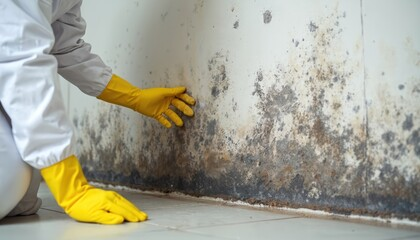
Mold spores are everywhere, seeking a warm, habitable environment to call home. If spores find what they’re looking for in damp areas like drywall or wooden picture frames, they can grow and cause serious health problems.
All Pro Services understands how to prevent mold and works diligently to dry impacted materials. Below are a few ways they do this:
Removing Water Sources
The first step in the water restoration process is to remove any standing water and clean surfaces. This step prevents further damage to your home and minimizes the likelihood of mold growth.
Whether from floods, burst pipes, or severe rainstorms, water can cause significant damage to your home and lead to other problems such as mold growth. If left unchecked, it can also cause health issues for your family and pets.
While many people believe that mold spores can simply grow anywhere, this isn’t necessarily true. The primary factor in the development of mold is moisture levels. The higher the moisture level, the more likely mold will grow. Mold spores are always present, but they only become active when there is a lot of moisture in the air.
As a result, it is important to dry materials as quickly as possible after any type of water damage. This can be difficult for some materials, such as porous or hard-to-clean items. In these cases, professional water damage restoration can help. They understand how to handle different materials and can let you know what can be preserved and what will need to be thrown away.
In addition, they can help you find the right dehumidifier for your home. A dehumidifier helps reduce moisture levels in the air, which can make it more difficult for mold to grow. They also recommend using fans and other tools to increase airflow to speed up the drying process.
If you are concerned about mold growing after a water disaster in your Triad home, call in a professional water damage restoration team as soon as possible. They can inspect your home, determine the scope of the water damage, and develop a plan to restore it as efficiently as possible. They can use powerful pumps and wet vacuums to remove any remaining water and clean affected surfaces. They can also take photos of any damaged or discarded items for insurance claims purposes. They can also recommend the proper cleaning and disinfection products to keep the areas free of mold. This includes the use of mold-inhibiting cleaners, such as bleach solutions.
Removing Wet Materials
If water damage happens in your home, it’s not just a headache; it can also lead to serious mold issues. Mold spores can begin growing in as little as 24 hours after water damage, and they thrive on many surfaces such as wood, wallpaper, paint, carpet, and inside ceiling and floor tiles. If left untreated, mold can cause health problems including sneezing, coughing, and skin irritation. It can also deteriorate drywall and insulation, leaving the structure of your home vulnerable to damage and other serious problems.
The key to preventing mold growth after water damage is addressing the issue quickly and completely. Water damage restoration companies will pump out the water, remove and replace damaged materials like drywall and insulation, and use drying equipment to reduce moisture levels. This helps to prevent mold from growing and can save you time, money, and the hassle of cleaning up a major mold problem later on.
Mold is found wherever water and oxygen come together. It’s also common for certain types of mold to grow in areas that are not exposed to sunlight or outside air, such as Cladosporium, a species of mold that can produce mycotoxins and cause severe allergic reactions. Because these molds love warm, moist environments, they tend to grow in areas where there is water damage.
Water-damaged areas and furnishings should be thoroughly cleaned with a steam cleaner or wet/dry vacuum to remove any water or condensation. They should then be sanitized with a solution of soap and water or water and chlorine bleach, which is effective at killing germs and bacteria. A dehumidifier can help to reduce the amount of moisture in the air, as well.
Porous materials such as drywall, carpet padding, and insulation are often affected by water damage and can become a breeding ground for mold if not properly cleaned and dried. It’s often necessary to remove these materials and replace them, especially if the mold is extensive or if they have been contaminated by harmful mycotoxins. Taking steps to address the source of the water damage, such as fixing leaky pipes or adding a French drain, can also help prevent future mold growth and other damage.
Keeping Moisture Levels Low
Mold spores are always present in the air, but water damage creates ideal conditions for their growth. It doesn’t take long for them to latch onto porous surfaces like drywall, wood picture frames, and carpet padding. They absorb moisture, grow quickly, and then release toxic spores into the environment. Mold spores are also known to trigger allergic reactions in some people and can even cause breathing issues and other health problems, particularly in children, seniors, and those with compromised immune systems.
The first step in preventing mold is removing any materials that are beyond salvageable. Oftentimes, the best way to do this is by hiring a professional who specializes in water damage restoration. These professionals have access to specialized equipment that makes it easier to extract and dry water-damaged materials more effectively. They can also use a variety of tools such as dehumidifiers and fans to increase ventilation in the area and promote quicker drying.
After the water is removed, it’s important to make sure all affected areas are completely dry. This is where a professional can be most useful, as they’ll know how to utilize pumps and dehumidifiers to remove excess moisture from hard-to-reach places like underneath floors or inside walls. It’s also recommended that any materials that have been exposed to water be completely disposed of, as they may be contaminated with mold spores and pose an ongoing risk for further damage.
Moisture levels that remain elevated after a water incident can also contribute to mold growth. This is why it’s important to keep an eye out for damp spots, musty odors, and high indoor humidity levels in the future, regardless of how thorough your cleaning efforts are.
It’s also a good idea to regularly inspect and maintain your HVAC system, as this is responsible for regulating indoor humidity. Moisture in the air can also be a sign of an undiscovered leak in your home. In these situations, it’s important to contact a professional right away so they can determine the source of the problem and help prevent further damage from occurring.
Keeping Your Home Clean
Molds are part of the natural environment and play a crucial role outdoors, breaking down dead organic matter. However, when molds grow indoors they can cause health issues such as allergy-like symptoms and asthma attacks. Molds reproduce by releasing spores, which float through the air and land on surfaces that are damp.
Once water damage occurs, mold spores can start growing within 24 to 48 hours. Once the spores take root, they can continue to grow and spread until they are removed.
One way to prevent mold growth after a flood is to hire a professional water restoration company. These companies can use advanced tools such as thermal imaging and moisture meters to locate hidden water sources and ensure that all areas are completely dry. They can also install fans and air movers to increase the speed at which the air dries, further preventing mold growth.
Another way to prevent mold growth after a flood or storm is to inspect the home for any potential problems that could lead to leaks. This includes checking water tanks, crawl spaces, basements, and any other area where water or condensation may collect. Once a problem is identified, it can be fixed before the next rainstorm or flood occurs.
Sometimes porous materials such as drywall, carpeting, or insulation can’t be salvaged after a water disaster. In these cases, the affected materials should be removed and replaced. A professional water remediation service can help with the clean-up and replacement of these materials as well as addressing any issues that led to the water damage in the first place.
Although mold can appear after a flood, taking the right steps can prevent it from growing and spreading in your home. It is important to work with a water damage restoration company that can not only handle the cleanup but can also address any structural issues that could contribute to future mold problems. With the right treatment and prevention, you can enjoy a healthy, safe home for years to come.