Cabinet Refinishing and Kitchen Layout Updates

Cabinet Refinishing Modesto

Cabinets play a critical role in a kitchen layout that’s tailored to the way you live. Wellness-focused layouts emphasize clear prep zones, logical appliance placement and comfortable circulation.

Cabinet Refinishing Modesto is an affordable option that changes your cabinets’ appearance with minimal disruption. It involves sanding down the existing finish and then applying a new color or stain to the surface.

Refinishing

When it comes to making aesthetic upgrades, refinishing or refacing is usually cheaper than replacing cabinets entirely. But how do you know which option is best for your home? The quality of your cabinets and your long-term goals should guide your decision.

Cabinet refinishing refreshes your kitchen by painting or staining your existing cabinet doors and drawer fronts. It’s a budget-friendly option that can deliver significant style changes, especially if your current paint is chipped or worn. It can also erase scratches, blemishes, and fading to give your kitchen a polished, lustrous appearance. However, it’s important to note that refinishing can’t fix structural issues like warped or water-damaged cabinet doors or outdated styles.

A professional cabinet refinisher applies an undercoat and base coat to prepare your cabinets for color application, then applies your desired finish (stained oak, espresso, or white, for example) to the cabinet doors and drawer fronts. Then a topcoat is applied to protect the finish and reduce wear. The entire process can be completed in 3-5 days, allowing your kitchen to be used again much faster than a full replacement project. It’s also a greener choice because it reuses your existing cabinetry, keeping it out of landfills and avoiding waste.

Refacing offers more flexibility in your design, as you can choose from hundreds of modern finishes and door styles. It can also accommodate layout changes, such as adding a peninsula or moving cabinets around. However, cabinet refacing isn’t DIY-friendly, and it takes weeks to complete, leaving your kitchen unusable. It’s also expensive and can cost tens of thousands of dollars.

Cabinet refacing is a good long-term investment because it uses high-quality materials designed to resist heat, moisture, and everyday use. It can also help you save money in the long run, as you won’t have to repaint or refinish your cabinets as frequently.

A refacing company will often install new cabinet hardware as well, and may also replace the kitchen sink, countertops, or backsplash. They can also resurface your cabinet boxes by applying wood or laminate veneers to them. If you want to do the work yourself, look for an all-in-one veneer kit that includes all the material you need for your specific project.

Refacing

Cabinet refacing uses high-quality materials like wood veneer and laminate to transform the appearance of existing cabinets. It offers less visual disruption than a full kitchen remodel and is cheaper than replacing the entire cabinet frame, making it an ideal choice for homeowners with a limited budget or those looking to add value to their home. Refacing also offers a variety of style upgrades and options for modern features such as soft-close hinges and sleek, contemporary hardware. However, refacing may not last as long as a complete replacement and can’t address structural issues, so it isn’t recommended for older cabinets or those with serious damage.

Refacing isn’t DIY-friendly, so hiring a professional team ensures the work is completed properly and quickly. Cabinet refacing typically takes 3-7 days and requires your kitchen to be out of commission during this time, but it’s much less disruptive than a complete remodel. It also uses less material, and because it preserves the existing cabinet boxes, refacing is environmentally friendly.

Before: Light-stained oak cabinets were refreshed with a new stain and paint. The result is a vibrant and modern look without the cost and stress of a major remodel.

Unlike refinishing, which simply refreshes the color of your existing cabinets, resurfacing dramatically changes the look of your cabinets while keeping them in place. It’s a great option for preserving historic or antique cabinets that you want to retain, and it can also be used as a temporary solution for larger remodels that will occur in the next few years.

Refacing involves replacing the cabinet doors, drawer fronts, and panels while keeping the existing cabinet box structure in place. Contractors use premium materials that provide lasting durability and a modern appearance, and they can even change the layout of your cabinetry by adding or removing cabinets and drawers. This budget-friendly upgrade can inspire other kitchen updates like countertops or hardware to create a fully revitalized space. While refacing is more affordable than a complete replacement, it’s still less expensive than a complete kitchen remodel and doesn’t offer as much flexibility in design.

Resurfacing

Cabinets are a major focal point in any kitchen, so they deserve some attention. If your cabinets have become a little dated or worn, they might be distracting from other features in the room or making the space look less than clean and modern.

Upgrading your cabinets through refinishing or refacing allows you to give the space a much-needed facelift. The question is: what’s the best option for your needs?

The most cost-effective way to freshen up your existing cabinetry is to refinish them. This process involves stripping the existing finish, repairing any damage and then applying a new stain or paint to the cabinet doors and boxes. This works for both wood and engineered or medium-density fiberboard (MDF) cabinet boxes.

Refinishing is not a DIY-friendly project, as it requires specialized chemical products or heavy sanding to achieve the desired result. It can also take 3-7 days, with your kitchen becoming a work zone for that time.

Another alternative to refinishing is cabinet “redooring.” This is a process where the existing doors and drawer fronts are replaced, while the cabinet boxes remain intact. The cabinet boxes are covered with a veneer to match the new doors and drawer fronts, and there are many colors and finishes from which to choose, including wood.

Both refacing and redooring are more cost-effective than replacing the entire cabinetry, but they don’t give you the complete overhaul that a full kitchen remodel provides. This is why refacing is often the best choice for those wanting to completely transform their kitchen.

Refacing is a more involved process than simply installing new cabinet doors and drawer fronts. It involves the installation of the new hardware and then covering the cabinets’ exteriors with a thin veneer or laminate. The end result is a completely revitalized kitchen that looks brand new without the price tag and hassle of a full renovation. It can even inspire you to upgrade other kitchen elements like countertops or appliances, resulting in a kitchen that’s truly transformed. Contact Kitchen Tune-Up Annapolis MD to see how refacing can work for you.

Replacement

Cabinet replacement is a big project that rips out the old cabinets and installs brand new ones. It’s usually paired with new countertops, backsplashes and appliances leading to an extensive remodel. This is an option to consider if you’re unhappy with the layout of your kitchen and want to change it completely.

Unlike refacing or refinishing, replacing your cabinets involves changing the entire look of your kitchen and often requires a larger budget. A full remodel is ideal if you want to change your kitchen’s layout or add features like a breakfast bar, a built-in pantry, open shelving or a more modern design.

Refinishing is a good choice for those with existing cabinetry that is structurally sound and looking worn but not broken down. Refinishing changes the color or stain of your existing cabinets without removing them. The options are vast, from a sleek modern appearance to a more traditional wood finish to a rustic or antique effect.

A common upgrade to a standard box-style cabinet is the addition of crown molding or other decorative elements, which adds to your kitchen’s aesthetic and often makes it feel more custom. You can also choose to replace the door panels with custom doors to achieve a unique look.

One of the most significant advantages to refinishing is that it’s a much quicker process than replacing or refacing your cabinets. A complete cabinet replacement can take weeks, and you may not have access to your kitchen during this time, forcing you to eat out or use a camper for cooking while the work is being done.

Another benefit of refinishing is that it’s more cost-effective than refacing or resurfacing. Estimates show that refinishing can be as little as 60 percent or two-thirds of the cost of replacing your cabinets.


Shimmer Beyond the Glass: The Future of Window Cleaning Services

Windows tell silent stories. They let in light, views, and moods that change with the day. Yet their clarity often fades with time and neglect. This is where the evolution of window cleaning begins a quiet revolution.

Cleaning Services

Modern window cleaning is no longer just a mop and squeegee task. It has become a science of clarity and sustainability. People now expect spotless transparency without harsh chemicals or unsafe climbs. This expectation drives innovation in techniques, tools, and technology. Keep reading the article below to learn more about Window Cleaning Services.

The rise of eco-conscious living reshaped this service completely. Cleaners are turning to purified water systems and biodegradable solutions. These methods leave glass streak-free without harming the environment. They also redefine what it means to “clean” by merging efficiency and responsibility.

Automation entered the scene in surprising ways. Robotic window cleaners are now used for high or inaccessible surfaces. They adhere to glass through suction and move with precision. This makes large-scale or tall buildings safer to maintain while reducing manual effort.

At home, smaller devices mirror these industrial advances. Compact robotic cleaners now glide across windows while sensors prevent falls. They can be scheduled and controlled remotely, allowing effortless maintenance. This merging of convenience and innovation reflects the new normal.

However, humans remain central to this evolving craft. Professional cleaners bring a level of judgment no machine can replicate. They understand streak patterns, spot imperfections, and adapt to changing conditions. Their skill ensures that technology remains a tool, not a replacement.

The focus on sustainability has reshaped business models too. Many providers are shifting toward green certifications and energy-efficient operations. Clients appreciate the transparency of these initiatives. It builds trust while showing commitment to cleaner living.

One emerging trend involves nano-coatings applied to glass. These invisible layers repel water, dust, and grime naturally. The result is self-cleaning windows that stay clear longer. It saves water, reduces cleaning frequency, and enhances long-term glass durability.

This innovation finds relevance in both homes and commercial spaces. Architects even design buildings around glass treated with such technology. The goal is to reduce maintenance costs while maintaining aesthetic brilliance. It signals a future where cleanliness becomes part of design itself.

Customer experience also transformed with digitalization. Booking, quotations, and progress updates can now happen through mobile apps. Clients receive instant notifications and even before-and-after photo records. It adds a sense of reliability and control rarely found in older models.

Transparency extends beyond windows—it defines the service relationship itself. Customers value clear communication and eco-ethical promises. Service providers respond with traceable cleaning ingredients and safety protocols. These factors create deeper loyalty and recurring engagement.

Another fresh approach is the integration of AI-based assessment tools. Cameras scan windows before cleaning to detect smudges, mineral deposits, or cracks. The system then recommends customized solutions. This ensures every surface gets the treatment it actually needs.

As urban living becomes denser, interior windows gain attention too. Partition glass, skylights, and balcony panels require unique handling. Cleaners are training in specialized techniques to avoid scratches or residue. These refinements elevate service from routine to craftsmanship.

Weather patterns also influence modern cleaning schedules. Predictive analytics now help plan cleaning during optimal conditions. Avoiding dusty winds or high humidity maximizes results and efficiency. It’s a small but powerful use of data-driven care.

Meanwhile, demand for privacy-tinted or smart glass challenges traditional methods. These materials require gentle handling and specific cleansers. Specialized training helps cleaners avoid damage to coatings and sensors. The work becomes both technical and precise.

Safety remains a defining aspect of the profession. Innovative harness systems, adjustable poles, and lightweight platforms have redefined safety standards. Drones with cameras monitor ongoing work to prevent accidents. This intersection of safety and technology protects both workers and clients.

Social awareness adds another dimension to window cleaning services. The industry now participates in sustainable employment initiatives. Workers receive fair wages and health benefits, reflecting a shift toward inclusivity. Clean windows, after all, should never come at a social cost.

Some companies invest in continuous education for their teams. Training programs teach chemical literacy, ergonomics, and new machinery use. This professionalization elevates window cleaning to a respected trade. Clients recognize the value of expertise as part of the price they pay.

Commercial sectors are also shifting expectations. Large facilities now require compliance with environmental and occupational standards. Window cleaning contracts must demonstrate eco-compliance and safety credentials. These standards push the industry to maintain consistency and accountability.

The pandemic years further redefined the meaning of cleanliness. Sanitization and hygiene became as important as visual appeal. Cleaners began using disinfectant sprays approved for glass surfaces. This made window cleaning part of health maintenance, not just aesthetics.

Even the choice of water evolved in this new era. Pure deionized water became a key tool for spotless results. It removes mineral residue that ordinary tap water leaves behind. This simple change elevated the outcome without adding chemicals.

A new narrative also emerged around perception. Clean windows impact mental wellness by increasing light and visibility. More daylight boosts mood, productivity, and focus. Thus, a clean window is not just physical maintenance but emotional upkeep.

Many people now view professional cleaning as an act of self-care. It symbolizes order, clarity, and renewal. Each wipe of glass feels like a reset for both the home and mind. The emotional connection adds unexpected value to this everyday service.

Outdoor cleaning innovations are also extending to solar panels and glass facades. The same principles of clarity apply there too. Specialized cleaning systems enhance energy efficiency by keeping panels unobstructed. Window cleaning becomes part of sustainable energy care.

Looking forward, the industry leans toward complete circular sustainability. Tools are made from recycled materials, and wastewater is filtered for reuse. Every drop saved contributes to environmental balance. These small actions collectively make a large impact.

There’s also a growing art to visual precision. Some luxury spaces hire cleaners trained in optical perfection. They evaluate reflections and lighting to ensure seamless clarity. It’s a subtle detail that transforms perception of space.

Digital portfolios now document each cleaning session. Clients can view time-lapse progress through online dashboards. This practice adds proof of quality and accountability. It merges transparency in both glass and service.

The rise of subscription-based cleaning plans marks another shift. Instead of one-time bookings, clients choose recurring schedules. This ensures consistent cleanliness while simplifying budgeting. It’s a convenience-driven trend that aligns with modern lifestyles.

Social media has also shaped public perception of this craft. Before-and-after photos turn ordinary jobs into visual satisfaction. It’s a quiet marketing strategy built on beauty and precision. The sparkle of glass becomes an unspoken advertisement.

Another unexpected influence is psychology. Studies suggest that people with cleaner windows perceive their environment as more open and hopeful. This emotional connection drives regular upkeep. A clear view outside translates to mental clarity within.

For those living in compact or high-rise spaces, accessibility is the main concern. Telescopic poles and water-fed systems solve this safely. They allow ground-level cleaning of upper stories with accuracy. It makes safety and beauty coexist seamlessly.

Window cleaning is now part of a bigger narrative of mindful living. It’s about valuing clarity, health, and balance in personal spaces. It also reflects awareness toward the planet and the people who maintain it. This blend of ethics and aesthetics makes it truly modern.

Smart homes are also transforming cleaning expectations. Automated sensors detect dirt buildup and alert cleaning systems. Integration with digital assistants means scheduling is instant and precise. The window itself becomes part of the home’s ecosystem.

Urban development projects now consider cleaning logistics from the design phase. Architects collaborate with cleaning experts to ensure safe access. This proactive planning saves resources and reduces long-term risks. It highlights how maintenance and design now grow together.

At the same time, the artistry of traditional window cleaning is not forgotten. Skilled hands still perform delicate techniques that machines can’t match. Their rhythm, balance, and attention bring a human grace to every pane. This craft connects old mastery with modern progress.

Even marketing for window cleaning services evolved creatively. Some focus on emotional storytelling rather than simple promotions. They speak of light restored, reflections renewed, and perspectives reopened. This poetic approach resonates deeply with clients.

Looking ahead, expect more integration of digital ecosystems and environmental ethics. The service will not only be about visible results but also invisible impact. Clean windows will symbolize both purity and progress. It’s a reflection of human innovation meeting timeless simplicity.

What was once a humble household chore has turned into a technological craft. Window cleaning services now carry the weight of design, sustainability, and emotion. Each shining surface represents more than transparency—it represents evolution. The view beyond the glass is clearer, but so is the vision behind it.

Transform Your Home with the Beauty and Efficiency of New Windows

Windows play a vital role in every home, shaping its appearance, comfort, and energy efficiency. They invite natural light inside, offer views of the outdoors, and help regulate indoor temperature. Installing windows in your home is more than just a design choice — it’s a long-term investment that can enhance both function and style. Whether you’re building a new house or replacing old windows, understanding the process and its benefits can help you make the best decisions for your property.

From improving ventilation to lowering energy costs, the right window installation can completely transform the way you experience your living space. Here’s everything you need to know about installing windows in your home for beauty, comfort, and performance.

window installation

The Importance of Quality Window Installation

Windows are not just decorative features — they are essential for maintaining a healthy and efficient home. Proper installation ensures that your windows perform as intended, keeping your home insulated and secure.

Poorly installed windows can lead to air leaks, moisture problems, and higher energy bills. On the other hand, well-installed windows prevent drafts, reduce noise, and maintain consistent indoor temperatures. They also protect your home from the elements, preventing water damage and mold growth.

Investing in professional installation pays off in the long run by improving your home’s energy efficiency, enhancing its value, and reducing the need for costly repairs.

Choosing the Right Windows for Your Home

Before installing new windows, it’s important to consider your home’s style, structure, and environmental needs. The right type of window will complement your home’s design while improving its performance.

Here are a few key factors to think about:

  • Design and Aesthetics – Choose a style that enhances your home’s architecture. Whether you prefer large picture windows, classic double-hung designs, or sliding models, each type brings its own charm and functionality.
  • Material – Windows come in various materials such as wood, vinyl, aluminum, and fiberglass. Each has unique advantages in terms of durability, maintenance, and insulation.
  • Energy Efficiency – Look for windows that offer excellent insulation and minimize heat transfer. Energy-efficient windows can help reduce utility costs and create a more comfortable indoor environment.
  • Ventilation and Light – Consider how much airflow and natural light you want in each room. Some window types open wide for ventilation, while others are fixed for maximum light and insulation.

Choosing the right window type ensures you achieve the perfect balance between beauty, performance, and practicality.

The Window Installation Process

Installing windows requires precision and attention to detail to ensure they fit perfectly and function properly. While some homeowners attempt DIY installations, professional work guarantees better results and long-term reliability.

Here’s what the installation process generally involves:

  1. Assessment and Measurement – The first step is assessing the window opening and taking accurate measurements. Proper sizing prevents gaps, air leaks, and misalignment.
  2. Removing Old Windows – If you’re replacing existing windows, the old units must be carefully removed without damaging the surrounding structure.
  3. Preparing the Opening – The installer inspects the frame for any damage, rot, or moisture issues and makes necessary repairs to ensure a strong foundation.
  4. Installing the New Window – The new unit is fitted securely into the opening, aligned, and fastened tightly to eliminate drafts or gaps.
  5. Sealing and Insulation – Insulation foam or weatherstripping is added around the frame to create an airtight seal and prevent heat loss.
  6. Final Inspection and Finishing Touches – The installer checks the operation of the window, cleans up debris, and ensures the area is properly sealed and finished.

A precise installation process ensures that your windows not only look great but also perform efficiently for years to come.

Benefits of Installing New Windows

Upgrading or adding windows to your home provides numerous advantages beyond aesthetics. Some of the top benefits include:

  • Improved Energy Efficiency – New windows with advanced insulation technology help keep your home cooler in summer and warmer in winter, reducing energy usage.
  • Enhanced Comfort – Properly installed windows eliminate drafts and temperature fluctuations, creating a more consistent indoor climate.
  • Better Natural Lighting – Large, clear windows allow more sunlight to enter, brightening up your living space and boosting mood and productivity.
  • Noise Reduction – Modern windows often feature double or triple glazing that significantly reduces outside noise for a quieter home.
  • Increased Home Value – Installing high-quality windows is one of the most effective ways to enhance curb appeal and increase resale value.
  • Low Maintenance – Many modern window materials are designed for easy cleaning and long-lasting durability.

Each of these benefits contributes to a more efficient, beautiful, and enjoyable home environment.

Energy Efficiency and Cost Savings

One of the biggest reasons homeowners choose to install new windows is to improve energy efficiency. Older or poorly installed windows often allow air to leak in and out, forcing heating and cooling systems to work harder.

Energy-efficient windows reduce heat transfer through improved materials and advanced glazing technologies. They help maintain indoor temperatures naturally, lowering energy consumption and utility bills.

In addition to cost savings, better insulation also means reduced environmental impact. By using less energy, you minimize your household’s carbon footprint while enjoying year-round comfort.

Maintenance Tips After Installation

After installing new windows, proper care is essential to keep them functioning and looking their best. Regular maintenance not only extends their lifespan but also preserves their efficiency.

Here are a few easy tips:

  • Clean Regularly – Use mild soap and water to clean glass and frames. Avoid harsh chemicals that can damage finishes.
  • Inspect Seals and Caulking – Check the window edges for gaps or cracks that could allow air or moisture in. Reseal as needed.
  • Lubricate Moving Parts – If your windows slide or open on hinges, apply a small amount of lubricant to keep them operating smoothly.
  • Check for Damage – Periodically inspect frames, screens, and locks for wear or damage, and address issues promptly.

Simple maintenance habits will keep your windows looking new and functioning efficiently for years.

Safety and Security Considerations

Modern windows are designed with safety in mind. Many models come with reinforced locks, durable frames, and impact-resistant glass for added protection. Proper installation ensures these safety features work effectively.

If security is a priority, consider adding additional locking mechanisms or laminated glass for extra peace of mind. Windows should also be easy to open in case of emergencies, providing safe exit routes when needed.

Balancing security with accessibility is key to maintaining both safety and convenience in your home.

The Value of Professional Installation

While installing windows yourself might seem cost-effective, professional installation ensures quality, accuracy, and compliance with building standards. Experts have the tools and experience to handle even complex installations, ensuring every unit fits perfectly and performs efficiently.

Professionally installed windows also come with warranties that protect your investment. This means you can enjoy lasting comfort and confidence in your home’s performance.

Installing windows in your home is one of the most rewarding upgrades you can make. It enhances your home’s beauty, increases energy efficiency, and improves overall comfort. From choosing the right design to ensuring proper installation and maintenance, every step contributes to a better living environment.

Whether you’re replacing old, drafty windows or adding new ones to brighten your home, the benefits are clear. With thoughtful planning and professional installation, you’ll enjoy improved aesthetics, lower energy bills, and a more comfortable home all year long.

Invest in quality window installation today and transform your living space with warmth, light, and lasting value.

The Importance of Proper Electrical Wiring

Electrical Wiring

Electrical wiring is the backbone of daily life. Proper wiring ensures that your home or business has the power it needs while maintaining safety and efficiency.

Upgrading your wiring will improve energy efficiency, lower your utility bills, and align with sustainability practices. A modern electrical system also adds value to your property. Visit https://www.nashelectricnc.com/ to learn more.

Safety

Electricity is a powerful force that requires respect and care. Following safety measures when dealing with electrical wiring helps to lower the risk of fires, injury and other problems. These measures include working on dead wires, testing devices before using them, locking down system components and keeping a fire extinguisher nearby in case of emergency. Taking these precautions not only protects employees but also prevents costly damage to equipment and buildings.

Safety measures for electrical wiring often vary from region to region, but most countries have some standards in place that all workers should follow. These codes regulate things like the maximum current that a wire can safely carry, its voltage (to neutral) rating and its maximum conductor surface temperature. In addition, the types of wires used for different applications must comply with certain standards. For example, nonmetallic (NM) cable, which is often referred to as Romex, is the most common type of wire for residential uses. Other options include armored cable, which consists of insulated conductors wrapped in a plastic sheath, and electrical conduit, which refers to rigid metal tubing that provides protection from physical damage.

Besides following safety rules, it’s important to use the right materials for a job and keep them properly installed. This is especially true in areas where water might be present, as electricity and water don’t mix well. Installing GFCI outlets in kitchens and bathrooms, for example, lowers the chance of injuries and property damage caused by faulty outlets that aren’t protected from moisture. It’s also important to make sure that electrical wiring doesn’t extend beyond junction boxes, which are meant to contain the connections and prevent overheating.

Other electrical safety tips for the home include ensuring that appliances are grounded, installing surge protectors and making sure that power cords aren’t pulled by hand or chewed on by pets or kids. Finally, all outlets should be covered with protective covers and kept away from water sources to reduce the risk of electrocution. These safety measures also help to reduce energy costs by preventing unnecessary wear and tear on appliances.

Efficiency

Electrical wiring is designed to optimize the flow of electricity throughout a building. It minimizes energy loss by reducing resistance and heat production during transmission. This reduces electricity costs and bolsters a home’s overall system efficiency. Energy efficient wiring also helps in the fight against climate change by lowering demand on local power plants and contributing to sustainable living practices.

A home’s electrical system requires proper maintenance to keep it running efficiently. The best way to accomplish this is by scheduling annual inspections with licensed electricians. These professionals can detect any problems that may require immediate attention. They can also offer recommendations for future upgrades or repairs that can improve the system’s lifespan.

The type of electrical wiring that a building uses depends on several factors, such as its location and size. For example, a large warehouse or manufacturing plant would need a different type of electrical wiring than a small retail store or private home. In addition, the size and layout of a building’s rooms may also influence the wiring type.

For residential homes, the most common type of electrical wiring is non-metallic (NM) cable. This is a flexible cable that contains two or more insulated wires with a grounding wire. It is typically used for circuits, feeders, and switch legs. NM cable is available in a variety of sizes to accommodate various current loads. It is also rated for different locations, including unfinished basements and outdoor applications.

Another popular type of electrical wiring is surface conduit. This is a cost-effective solution that can be installed in existing walls or ceilings. This method of wiring is typically used for new construction and renovation projects. It provides flexibility for future expansions and upgrades, and it offers a high level of durability against physical damage.

In addition to ensuring safety, understanding the electrical wiring in a home or facility is vital for employees who perform regular maintenance tasks. This knowledge can help them better understand and safely operate equipment in their workplace. For example, employees who know that electrical wires with a white tint are neutral and black wires are hot can avoid accidentally damaging their workplace’s electrical infrastructure by not plugging in appliances or devices to the wrong voltage outlets.

Convenience

Electrical wiring carries power to switches, outlets, lights, and appliances. It can be found in residential and commercial buildings, hospitals, restaurants, and many other structures. The way in which a building’s electrical wiring is structured is vital to the health and safety of those who live or work within it. A poorly installed or maintained electrical system can create serious hazards that can lead to fires, injuries, and even death.

For this reason, all electrical wiring systems must be designed to ensure that the electricity they carry can be safely distributed. The type of wire used for a particular application will determine its voltage and amperage rating, which is the maximum amount of current that it can safely carry. For example, the wires used to supply power to light fixtures need to be smaller in diameter than those that connect to high-wattage appliances.

In addition, the materials used for electrical wiring must be able to withstand environmental conditions and resist damage from physical impact. The earliest standardized method of conducting electricity in homes was known as knob and tube (K&T) wiring, which relied on ceramic tubes to form protective channels through lumber joists and wooden wall framing. This approach allowed for the use of thinner conductors than would be feasible in cables because air was able to circulate between the wires and the sheath.

More recent methods of electrical wiring include insulating wires in a sheath, such as the non-metallic sheathed cable (also known as Romex) and armored cable. The former consists of insulated wires that are wrapped in a plastic sheath that is usually white or black and a bare copper grounding wire, while the latter uses a metal sheath to protect the insulated conductors and can be found in exposed locations or areas that are prone to physical damage.

Using energy-efficient wiring in your home is a simple way to reduce your electrical bills and help the environment. It also increases the value of your home, as prospective buyers are more likely to pay a higher price for a house with the latest energy-saving features. In addition, you can reduce your energy costs by avoiding the common mistakes that can cause electrical problems such as overloading circuits and overusing extension cords.

Sustainability

Electricians can contribute to the sustainability of their clients’ homes by installing energy efficient wiring. This type of wiring optimizes the flow of electricity, allowing homeowners to use more appliances and devices without increasing their energy consumption. Energy efficiency also lowers carbon emissions, making it a crucial step in the fight against climate change. Upgrading to this type of wiring helps reduce demand on power plants, which in turn reduces reliance on fossil fuels. As such, every household that makes the switch contributes to a global effort to protect our environment.

Aside from energy efficient wiring, other sustainability measures include incorporating renewable energy and smart home technologies. These upgrades will allow households to make greater use of natural lighting and ventilation, reducing the need for artificial lighting and air conditioning. They also enable homeowners to operate appliances during off-peak hours, when prices are lower. As a result, savvy homeowners can significantly lower their energy costs by switching to energy efficient wiring and other sustainable practices.

As the world struggles with the effects of pollution and climate change, many industries are stepping up their efforts to combat these issues. The electronics industry is one of the leading industries in this regard, with numerous companies promoting greener initiatives and implementing more environmentally friendly production processes. These efforts also extend to the way they manage waste and recycling. Many electrical components contain toxic materials, which need to be properly disposed of in order to prevent harmful chemicals from entering the environment. By educating their clients on how to dispose of old wiring and other equipment, electricians can help ensure that this material doesn’t end up in landfills or waterways.

Beyond ensuring that environmental initiatives are taken, electricians can encourage their clients to recycle as much as possible. This may involve partnering with local recycling programs or donating materials to charity. In addition, they can encourage their clients to buy energy-efficient appliances, LED lighting, and other eco-friendly devices that will help them save even more money in the long run. By embracing sustainability, electricians can ensure that their clients’ houses are well equipped for the future of technology and energy needs.

Construction Safety Standards Every Property Owner Should Understand

GK Construction Solutions projects represent progress, growth, and investment. Whether building from the ground up, expanding an existing structure, or undertaking a major renovation, every project carries inherent risks. Heavy machinery, elevated work areas, electrical systems, and structural modifications create complex environments that require strict safety oversight. While contractors and project managers typically handle day-to-day operations, property owners also play a critical role in ensuring that construction safety standards are upheld.

construction

Understanding construction safety standards is not just about regulatory compliance. It is about protecting workers, preserving property value, avoiding costly legal disputes, and ensuring that projects are completed without preventable setbacks. When property owners are informed about safety expectations, they are better equipped to ask the right questions, monitor progress responsibly, and contribute to a safer project environment.

Why Construction Safety Standards Matter to Property Owners

Many property owners assume that safety responsibility rests entirely with the construction company. While contractors manage site operations, property owners still carry financial and legal exposure if serious incidents occur. Accidents can lead to project delays, increased insurance costs, legal claims, and reputational damage.

Construction safety standards are designed to minimize hazards and create structured processes for managing risk. These standards govern everything from fall protection and equipment operation to electrical systems and emergency preparedness.

By understanding safety requirements, property owners can:

  1. Ensure contractors follow proper risk management practices
  2. Reduce the likelihood of costly project interruptions
  3. Protect long-term property value
  4. Demonstrate responsible oversight of the project

Active awareness fosters accountability and promotes a culture of safety throughout the build.

Core Components of Construction Safety Standards

Construction safety standards encompass a wide range of protocols that address both worker protection and structural stability. Although specific regulations vary by jurisdiction, fundamental principles remain consistent across the industry.

These standards typically include:

  1. Fall protection systems for elevated work areas
  2. Proper scaffolding design and inspection procedures
  3. Safe operation and maintenance of heavy equipment
  4. Electrical safety measures and lockout procedures
  5. Hazard communication regarding chemicals and materials

Property owners should confirm that these foundational elements are integrated into project planning before work begins.

Fall Protection and Elevated Work Safety

Falls are one of the most common causes of construction-related injuries. Projects often involve roofing, framing, and structural assembly that require workers to operate at heights. Without adequate safeguards, the risk of serious injury increases significantly.

Effective fall protection strategies include guardrails, safety harnesses, secure scaffolding, and controlled access zones. Regular inspections of elevated platforms and equipment are essential to ensure ongoing compliance.

Property owners should inquire about:

  1. The type of fall protection systems being implemented
  2. Frequency of safety inspections for scaffolding and ladders
  3. Worker training related to height safety protocols

These proactive discussions reinforce the importance of safe practices and demonstrate responsible engagement in the construction process.

Equipment Operation and Site Control

Modern construction sites rely on heavy machinery such as excavators, cranes, loaders, and power tools. While these machines enhance efficiency, improper use can result in severe accidents or property damage.

Construction safety standards require operators to receive proper training and certification where applicable. Equipment must undergo regular maintenance and inspection to prevent mechanical failure.

In addition to machinery oversight, site control measures help protect both workers and visitors. Clearly marked hazard zones, restricted access areas, and visible signage reduce the likelihood of unauthorized entry into dangerous spaces.

Property owners should confirm that:

  1. Only qualified personnel operate specialized equipment
  2. Machinery inspections are documented and routine
  3. The site has controlled entry points and safety signage

Strong site management reduces risk exposure and ensures organized project flow.

Electrical Safety and Fire Prevention

Electrical systems are an integral part of construction projects, particularly during renovations or new builds. Temporary wiring, exposed circuits, and incomplete installations can present hazards if not handled properly.

Safety standards require lockout and tagout procedures when working with electrical systems. These measures prevent accidental energizing of circuits during maintenance or installation. Additionally, proper grounding and insulation practices reduce the risk of shocks and electrical fires.

Fire prevention protocols also play a critical role. Construction materials, especially during demolition or finishing stages, may increase fire risk. Maintaining clean workspaces and storing flammable materials correctly is essential.

Property owners should ensure that electrical work follows structured safety protocols and that fire prevention measures are clearly outlined in project planning.

Worker Training and Safety Culture

A safe construction project depends not only on written policies but also on consistent worker training. Safety standards require workers to receive instruction on hazard recognition, equipment operation, and emergency procedures.

Beyond formal training, fostering a culture of safety encourages workers to report hazards without hesitation. Open communication between supervisors and crew members strengthens risk awareness and accountability.

Property owners can support safety culture by:

  1. Requesting documentation of worker training programs
  2. Encouraging regular safety meetings and briefings
  3. Emphasizing safety as a top project priority

When safety is visibly prioritized at every level, it becomes embedded in daily operations rather than treated as a secondary concern.

Emergency Preparedness and Incident Response

Despite careful planning, emergencies can occur. Construction safety standards require clear emergency response procedures to minimize harm and confusion during critical situations.

Emergency preparedness plans should address medical incidents, fire outbreaks, severe weather events, and structural instability. Easily accessible first aid kits, fire extinguishers, and communication systems are essential components.

Property owners should verify that:

  1. Emergency response plans are documented and communicated
  2. Workers know evacuation routes and assembly points
  3. Incident reporting procedures are clearly defined

Preparation ensures that swift and coordinated action can take place if unexpected situations arise.

Protecting Adjacent Structures and Surrounding Areas

Construction projects often impact neighboring properties or occupied areas within the same building. Vibrations, debris, and noise can create additional safety considerations.

Protective barriers, debris containment systems, and controlled demolition practices help prevent damage to adjacent structures. In occupied buildings, maintaining safe access routes and minimizing disruption is critical.

Property owners should discuss how the project team plans to:

  1. Protect surrounding structures from accidental damage
  2. Manage dust and debris during demolition
  3. Maintain safe pathways for occupants and visitors

Comprehensive planning safeguards both the construction site and its environment.

Documentation and Compliance Monitoring

Maintaining detailed records is a fundamental aspect of construction safety standards. Documentation includes inspection logs, training certifications, equipment maintenance records, and incident reports.

Thorough documentation demonstrates compliance and provides valuable reference points in case of disputes or insurance claims. Property owners should request periodic updates on safety compliance throughout the project.

Regular monitoring reinforces accountability and ensures that safety standards are consistently upheld from start to finish.

Long-Term Benefits of Prioritizing Safety Standards

Investing in construction safety yields long-term benefits beyond accident prevention. Projects that prioritize safety often experience smoother workflows, improved morale, and fewer costly interruptions.

Safe construction practices contribute to:

  1. Reduced project delays due to accidents
  2. Lower liability exposure for property owners
  3. Enhanced reputation for responsible project management
  4. Improved quality outcomes through organized processes

Safety and efficiency are closely connected. When risks are minimized, productivity increases, and project goals are achieved more effectively.

The Property Owner’s Role in Safety Oversight

While property owners are not expected to manage daily construction activities, their involvement influences overall project standards. Asking informed questions, reviewing safety plans, and emphasizing accountability set expectations early.

Clear communication between owners and contractors establishes mutual understanding regarding safety priorities. This collaboration fosters a shared commitment to protecting workers and preserving property integrity.

Property owners who remain engaged throughout the project contribute to a safer and more successful construction experience.

Building Responsibly and Safely

Construction safety standards are not merely regulatory requirements—they are essential frameworks designed to protect lives, property, and financial investments. Every project carries risk, but proactive planning and adherence to safety protocols significantly reduce potential harm.

For property owners, understanding construction safety standards empowers informed decision-making and responsible oversight. By prioritizing fall protection, equipment management, electrical safety, worker training, and emergency preparedness, owners help ensure that projects progress smoothly and responsibly.

A successful construction project is measured not only by its final appearance but also by the care and diligence applied throughout the process. When safety standards guide every step, the result is a structure built not just with strength and precision, but with integrity and accountability.

How to Evaluate and Choose the Right Deck Builder for Your Backyard Project

Deck Builder

When your existing deck is beyond repair or it’s time to plan your dream deck, hiring a professional gives you peace of mind and saves you from costly mistakes. This article highlights how to evaluate and choose the right contractor for your backyard project.

Evaluate contractors based on experience, credentials, style, and value. Look for manufacturers’ certification tools and directories, state licensing databases, and insurance certificates verified directly with insurers. Go to https://jrcsi.com/ for more information.

Ask for Referrals

A reputable deck builder should have a strong portfolio to back up their skills and expertise. Ask potential builders for references from past clients and request photos of their completed projects. You may also want to check their licensing and insurance to ensure they are qualified and reliable.

A quality deck requires expert craftsmanship and careful planning. Choose a builder who can walk you through composite material selection, project design, and deck building codes to create an outdoor space that exceeds your expectations.

Hiring a professional to build a backyard deck can save you time and money in the long run. They can help you avoid costly mistakes and provide peace of mind throughout the construction process. With their guidance, you can enjoy your new deck days, weeks, or even months sooner than a DIY approach.

When you’re interviewing potential builders, be sure to discuss your goals and priorities for the deck. A good contractor will take the time to listen and answer your questions thoroughly. Then, they’ll collaborate with you to turn your vision into a reality.

Whether you’re looking for a durable, low-maintenance deck or a classic wood structure, there’s a deck material to suit your preferences and budget. A reputable builder should be familiar with a wide range of materials and know how each one functions in different climates.

A well-established professional website and active social media channels can attract local homeowners searching for a deck builder. Distribute professionally-designed flyers in your target neighborhood and place branded signage on job sites with permission from your clients. Follow up with new clients via automated review requests and reminders to encourage referrals. A finely tuned referral program with incentives like gift cards or money back can go a long way toward expanding your client base.

Check Licenses and Insurance

Aside from referrals, online reviews, and references, it’s also important to check a builder’s licensing and insurance before hiring them. This step is critical to protecting yourself against fraudulent contractors and ensuring your new deck meets local building codes. Ideally, a licensed builder will be able to provide you with a Certificate of Insurance (COI) that details the scope and dates of their coverage. You can verify a contractor’s license information through state databases and public business registries. Make sure the license details match their business name and address to avoid misrepresentation.

Another aspect to consider when choosing a deck builder is their level of experience and expertise. A reputable builder will have extensive knowledge about different materials and construction techniques. For example, they should be able to explain the difference between composite and traditional decking, and why certain types of wood behave differently during construction. They should also be able to answer questions about the cost of materials, construction timelines, and other important aspects of your project.

It’s also important to choose a builder that is easy to work with. Contractors who are difficult to communicate with or have a short temper can make the project more stressful. A reliable deck builder should be responsive to inquiries and prioritize clear communication throughout the project. They should also be able to provide you with an estimated timeline for the entire process, including design, permitting, and construction. Ask builders how they handle unforeseen challenges and what they plan to do to minimize delays. This will help you decide if they are the right fit for your backyard project.

Check Reviews and Ratings

Having the right contractor on your side can make all the difference in creating a beautiful deck that meets your budget and specifications. The most reliable builders are often those you can find through word of mouth, online reviews, and testimonials. Look for recommendations from friends and neighbors, as well as local lumberyards and decking materials suppliers. It’s in these businesses’ best interest to recommend quality contractors, as it helps their reputation and increases the likelihood that you will purchase additional materials for future projects.

Once you have a shortlist of potential deck builders, examine their website for online reviews and testimonials. Look for detailed descriptions of past project experiences and a clear breakdown of construction costs and schedules. Also note whether they require a deposit upfront and how the remainder will be paid throughout the project. Finally, ask each builder to provide a written estimate with specific material specifications and labor breakdowns.

Contractors with extensive experience building decks in your area understand local climate factors that influence material selection, construction timing, and weatherproofing requirements. In addition, they’re familiar with local zoning ordinances and homeowner association (HOA) rules that may impact the construction process.

A qualified contractor should be able to clearly explain the differences between traditional and composite boards, explain their installation approach, and detail what warranty coverage is offered on workmanship and materials. They should also be able to answer questions about permits, site preparation, and cleanup procedures.

A trustworthy deck builder will have a transparent payment schedule that includes an initial deposit, progress payments, and a final payment upon completion. They should also specify permit responsibilities, cleanup procedures, and change order procedures in the contract.

Look for Custom Design Services

Whether you prefer the natural beauty of wood or low-maintenance benefits of composite materials, a deck builder should be able to create a design that fits your lifestyle and home. They should offer design options to fit your budget and provide you with detailed pricing estimates that include labor and material costs.

Ask potential contractors to provide you with testimonials and galleries of their previous work. Pay attention to their craftsmanship and detail in these images, and note any differences in the projects’ scopes. A well-organized planning process is another good indicator of a qualified contractor. They should be able to handle permitting, scheduling, and other project milestones in a timely manner while also providing you with additional design suggestions and material options.

The right contractor will be familiar with local building codes and permit requirements, ensuring your deck meets local safety standards and is built properly. Their experience will help them avoid common construction mistakes, such as improper footings, that can lead to joist damage and structural issues. Some builders may also have advanced building techniques that elevate the quality of their work, such as helical pile foundations or joist protection tape. Look for these distinctions when choosing a builder, as they can make a big difference in the longevity and appearance of your new deck.

Professional installation of your deck ensures safety and code compliance while adding lasting value to your home. To select the best contractor, start by researching licensed local builders using directories and recommendations, then compare detailed estimates. Be wary of significantly lower bids, as they could indicate substandard materials or corner-cutting construction techniques that will cost you more in the long run.

Check the Materials

A backyard deck transforms a home, offering a space for relaxation and gatherings. A professional contractor can help you create a functional and beautiful outdoor space that will add lasting value to your property. However, it’s important to take the time to do your research and select a builder with the right experience and expertise to ensure that your project is a success.

Start by asking friends, family, and neighbors for referrals. Then explore online directories, local home improvement stores and other resources to gather a list of potential builders. Compare each builder by researching testimonials, galleries of work and other important details.

Once you’ve narrowed your list, ask each builder for a detailed estimate. This will give you a good idea of their level of expertise and how they’ll approach your project. Professional contractors should provide transparent communication throughout the entire process, keeping you informed on progress and answering any questions that come up. A reliable contractor will also be able to provide you with a project timeline and stick to it.

It’s also important to consider the materials used by each builder. You’ll want to select a durable, low-maintenance option that complements your home and fits within your budget. Professional contractors will be able to guide you through composite material selection, project design and construction planning, and local building codes and permits.

When selecting a deck builder, make sure to look at their level of experience and commitment to quality craftsmanship. A reputable builder should be familiar with the latest techniques and tools to ensure that your project is completed on time and meets or exceeds industry standards. In addition, they should be able to offer advice on choosing the best deck design for your property and lifestyle.

How Water Damage Restoration Prevents Mold Growth

All Pro Services

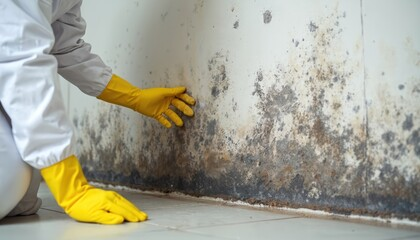
Mold spores are everywhere, seeking a warm, habitable environment to call home. If spores find what they’re looking for in damp areas like drywall or wooden picture frames, they can grow and cause serious health problems.

All Pro Services understands how to prevent mold and works diligently to dry impacted materials. Below are a few ways they do this:

Removing Water Sources

The first step in the water restoration process is to remove any standing water and clean surfaces. This step prevents further damage to your home and minimizes the likelihood of mold growth.

Whether from floods, burst pipes, or severe rainstorms, water can cause significant damage to your home and lead to other problems such as mold growth. If left unchecked, it can also cause health issues for your family and pets.

While many people believe that mold spores can simply grow anywhere, this isn’t necessarily true. The primary factor in the development of mold is moisture levels. The higher the moisture level, the more likely mold will grow. Mold spores are always present, but they only become active when there is a lot of moisture in the air.

As a result, it is important to dry materials as quickly as possible after any type of water damage. This can be difficult for some materials, such as porous or hard-to-clean items. In these cases, professional water damage restoration can help. They understand how to handle different materials and can let you know what can be preserved and what will need to be thrown away.

In addition, they can help you find the right dehumidifier for your home. A dehumidifier helps reduce moisture levels in the air, which can make it more difficult for mold to grow. They also recommend using fans and other tools to increase airflow to speed up the drying process.

If you are concerned about mold growing after a water disaster in your Triad home, call in a professional water damage restoration team as soon as possible. They can inspect your home, determine the scope of the water damage, and develop a plan to restore it as efficiently as possible. They can use powerful pumps and wet vacuums to remove any remaining water and clean affected surfaces. They can also take photos of any damaged or discarded items for insurance claims purposes. They can also recommend the proper cleaning and disinfection products to keep the areas free of mold. This includes the use of mold-inhibiting cleaners, such as bleach solutions.

Removing Wet Materials

If water damage happens in your home, it’s not just a headache; it can also lead to serious mold issues. Mold spores can begin growing in as little as 24 hours after water damage, and they thrive on many surfaces such as wood, wallpaper, paint, carpet, and inside ceiling and floor tiles. If left untreated, mold can cause health problems including sneezing, coughing, and skin irritation. It can also deteriorate drywall and insulation, leaving the structure of your home vulnerable to damage and other serious problems.

The key to preventing mold growth after water damage is addressing the issue quickly and completely. Water damage restoration companies will pump out the water, remove and replace damaged materials like drywall and insulation, and use drying equipment to reduce moisture levels. This helps to prevent mold from growing and can save you time, money, and the hassle of cleaning up a major mold problem later on.

Mold is found wherever water and oxygen come together. It’s also common for certain types of mold to grow in areas that are not exposed to sunlight or outside air, such as Cladosporium, a species of mold that can produce mycotoxins and cause severe allergic reactions. Because these molds love warm, moist environments, they tend to grow in areas where there is water damage.

Water-damaged areas and furnishings should be thoroughly cleaned with a steam cleaner or wet/dry vacuum to remove any water or condensation. They should then be sanitized with a solution of soap and water or water and chlorine bleach, which is effective at killing germs and bacteria. A dehumidifier can help to reduce the amount of moisture in the air, as well.

Porous materials such as drywall, carpet padding, and insulation are often affected by water damage and can become a breeding ground for mold if not properly cleaned and dried. It’s often necessary to remove these materials and replace them, especially if the mold is extensive or if they have been contaminated by harmful mycotoxins. Taking steps to address the source of the water damage, such as fixing leaky pipes or adding a French drain, can also help prevent future mold growth and other damage.

Keeping Moisture Levels Low

Mold spores are always present in the air, but water damage creates ideal conditions for their growth. It doesn’t take long for them to latch onto porous surfaces like drywall, wood picture frames, and carpet padding. They absorb moisture, grow quickly, and then release toxic spores into the environment. Mold spores are also known to trigger allergic reactions in some people and can even cause breathing issues and other health problems, particularly in children, seniors, and those with compromised immune systems.

The first step in preventing mold is removing any materials that are beyond salvageable. Oftentimes, the best way to do this is by hiring a professional who specializes in water damage restoration. These professionals have access to specialized equipment that makes it easier to extract and dry water-damaged materials more effectively. They can also use a variety of tools such as dehumidifiers and fans to increase ventilation in the area and promote quicker drying.

After the water is removed, it’s important to make sure all affected areas are completely dry. This is where a professional can be most useful, as they’ll know how to utilize pumps and dehumidifiers to remove excess moisture from hard-to-reach places like underneath floors or inside walls. It’s also recommended that any materials that have been exposed to water be completely disposed of, as they may be contaminated with mold spores and pose an ongoing risk for further damage.

Moisture levels that remain elevated after a water incident can also contribute to mold growth. This is why it’s important to keep an eye out for damp spots, musty odors, and high indoor humidity levels in the future, regardless of how thorough your cleaning efforts are.

It’s also a good idea to regularly inspect and maintain your HVAC system, as this is responsible for regulating indoor humidity. Moisture in the air can also be a sign of an undiscovered leak in your home. In these situations, it’s important to contact a professional right away so they can determine the source of the problem and help prevent further damage from occurring.

Keeping Your Home Clean

Molds are part of the natural environment and play a crucial role outdoors, breaking down dead organic matter. However, when molds grow indoors they can cause health issues such as allergy-like symptoms and asthma attacks. Molds reproduce by releasing spores, which float through the air and land on surfaces that are damp.

Once water damage occurs, mold spores can start growing within 24 to 48 hours. Once the spores take root, they can continue to grow and spread until they are removed.

One way to prevent mold growth after a flood is to hire a professional water restoration company. These companies can use advanced tools such as thermal imaging and moisture meters to locate hidden water sources and ensure that all areas are completely dry. They can also install fans and air movers to increase the speed at which the air dries, further preventing mold growth.

Another way to prevent mold growth after a flood or storm is to inspect the home for any potential problems that could lead to leaks. This includes checking water tanks, crawl spaces, basements, and any other area where water or condensation may collect. Once a problem is identified, it can be fixed before the next rainstorm or flood occurs.

Sometimes porous materials such as drywall, carpeting, or insulation can’t be salvaged after a water disaster. In these cases, the affected materials should be removed and replaced. A professional water remediation service can help with the clean-up and replacement of these materials as well as addressing any issues that led to the water damage in the first place.

Although mold can appear after a flood, taking the right steps can prevent it from growing and spreading in your home. It is important to work with a water damage restoration company that can not only handle the cleanup but can also address any structural issues that could contribute to future mold problems. With the right treatment and prevention, you can enjoy a healthy, safe home for years to come.